Disclosure: Some of the links below are affiliate links, meaning, at no additional cost to you the Financial Modelling Podcast may earn a commission if you click through and make a purchase.
Financial modelling is such a vast field that it is almost impossible to know everything there is. Instead, many professionals, myself included, pick a field of specialty and focus there. For me, that field is project finance. I was always fascinated by large scale infrastructure, and the highly structured field of project finance was an obvious fit for my modelling skills. It was only once I really started delving into project finance that I realised how little I actually knew about project finance. This is why research in your field of expertise is so crucial. Thankfully there are tons of great books, on everything from project finance risk modelling to financial modelling for entrepreneurs. Here I list my top financial modelling book recommendations.
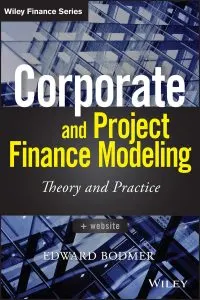
Corporate and Project Finance Modeling: Theory and Practice
Edward Bodmer is pretty much the godfather of project finance modelling. This seminal book covers modelling of scheduled debt flows, scenario analysis, probabilistic risk analysis and valuations. While some of the Excel references become outdated as Microsoft Excel adds new functionality, there is enough information in this book to appease the most experienced of financial modellers. If you read all 47 chapters and practice the examples, there is no doubt you will be a solid financial modeller.
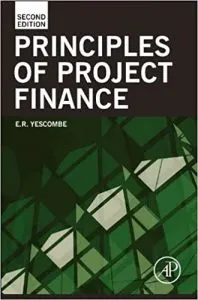
Principles of Project Finance
Although this is not a financial modelling book (although it does have chapters on both financial structuring and the financial model), this book is a comprehensive overview of project finance. From public sector finance to covering the different types of project structures (BOT, BTO etc.) and risk mitigation, this is the ideal book for anyone wishing to become a project finance dealmaker. It should be noted that any financial modeller should want to understand all of the commercials surrounding the deal they are modelling, and therefore this book provides good background knowledge for the modeller as well.
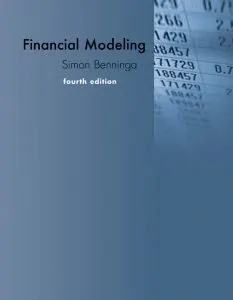
Financial Modeling, fourth edition
This Corporate Finance focused book by Simon Benninga covers various valuation models and even a bit of VBA. If you are looking to work in either global markets or corporate finance, this book is highly recommended. It starts with discounted cash flow analysis and goes on from there, with each example showing the Microsoft Excel layout for such a financial model. If you have studied a CFA or a finance-related degree and now want to put that theory into practice, this book will help you create real-life financial models.
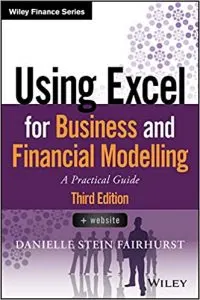
Using Excel for Business and Financial Modelling: A Practical Guide
It will be no surprise to any Financial Modelling Podcast listener to see Danielle’s book on this list. This book covers best practices and principles of building sustainable and scalable financial models. It covers crucial error checking and error avoidance techniques, as well as how to visualise financial models. This is an often overlooked, but exceptionally element of presenting financial analysis in a decision-useful format. In fact, Danielle dedicates a whole chapter to Presenting Model Output – this chapter alone makes the book a worthwhile purchase! On section of the book focuses on rebuilding an inherited model – something each new model owner should in fact look at when inheriting a less than ideal and old financial model. Finally, with one more section looking at improving model performance, this book -provides an all-round guide for a financial modeller focusing on any discipline.
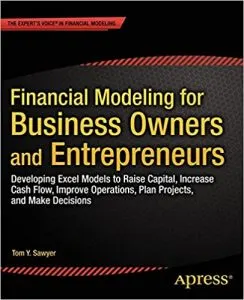
Financial Modeling for Business Owners and Entrepreneurs: Developing Excel Models to Raise Capital, Increase Cash Flow, Improve Operations, Plan Projects, and Make Decisions
I am a big believer in every entrepreneur building a financial model to assess the viability and scalability of their business. In addition, I always advocate a cash flow-based model as its cash that pays the bills, not unrealised profit! In this book, Tom illustrates financing requirements in the early and expansion stages of a business. In addition, he highlights the key inputs every entrepreneur should be thinking about. Tom speaks about financial models being used in decision making – something I am also passionate about. This is a must-read for anyone thinking about starting their own business.