
DealTech – Let’s Get Practical
In the previous two DealTech articles, I discussed how DealTech could revolutionise investment banking through automation and optimisation. In the first article, I introduced the concept of DealTech and how an investment banking deal-making process is largely manual. I explored the room for automation and how the industry might react. In the second article, I delved into areas where I think automation can occur. In this article, I will explore how we can make this automation happen (largely based on my experience of automating these processes already).
Where to Start?
The financial modelling which underlies each investment banking deal is low-hanging fruit, but I believe that where we can start is legal documentation. Many people unfamiliar with an investment banking deal will be astounded by the sheer volume of contracts and how detailed and large these contracts are! Even with standardised forms of legal agreements such as those provided by the LMA documentation guidelines, legal documentation is a very large part of the deal-making process. It’s no surprise to investment bankers that legal firms have some of the fanciest buildings in town.
DealTech starts with LegalTech
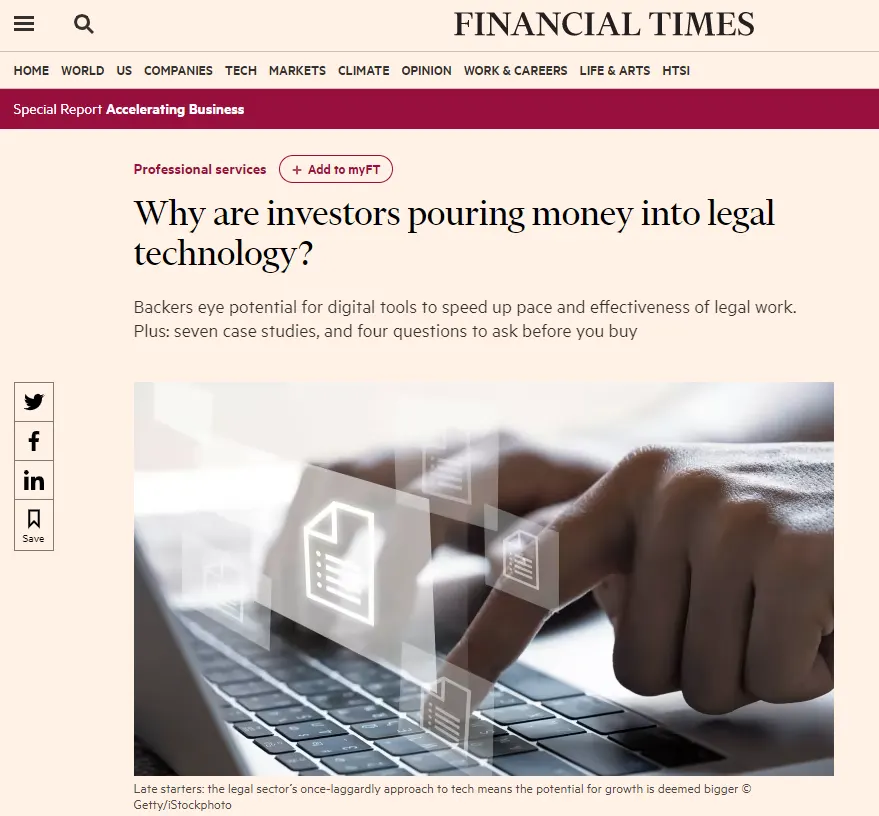
So, what has the legal profession done in the way of automation? As I mentioned in the previous article – quite a lot! DealTech is also the name of a blog focusing on transactional legal technology. According to them, “By ‘DealTech’, we mean the transactional tools and technology that help lawyers and other professionals get deals done. Most narrowly, DealTech comprises transaction management platforms, assisted contract review tools, etc.. Still, we think DealTech should also embrace various other technological tools and products—from document management solutions to time-keeping and billing tools—essential to running an effective transactional practice”.
I, of course, have my own slightly broader definition of DealTech, as defined in the first article I wrote on the matter.
The tools showcased on their site include software for automated review and approval of contracts, transaction management tools for streamlining closing checklists (I assume these are CPs or what’s known as Conditions Precedent to closing a deal), and contract review and analysis software. Eigen Technologies uses AI to read and analyse complex legal contracts. One could easily assume, based on this list, that law is leading the DealTech field! Surely investment banks are following?
Investment Banking and DealTech – What do We Need
FinTech will transform investment banking in many ways, including using innovation to massively boost efficiency and leverage advanced technologies such as The Cloud and AI. To remain competitive, investment institutions will need to adapt and embrace these technological changes.
Given that the legal profession has made significant strides in using technology to make their lives easier, how can investment banks follow their lead? The answer, in my opinion, is far more about the human element than the technology required, which primarily already exists.
I believe that investment banks need two key human elements to proceed on the DealTech journey:
- People with domain expertise. These people have been bankers and transactors and understand the investment banking deal-making process. These individuals should also understand data science and machine learning and their potential in investment banking. This is largely a mindset – either someone can see the big picture, or they can’t! These people must be visionaries – ready to make significant changes to a decades-old profession and deal-making process.
- The willingness of management and executives to drive the process, hence my talk on Data Science for Executives explains why companies need executive buy-in. Again, a human element, and this time it comes from the very top. Without C-Suite buy-in, one cannot expect data science to have any sort of impact on the investment bank. Data Scientists and their teams need to know that the company's CEO has their back to deal with any issues or conflicts. Investment banks, like any corporates, need people who can manage change and be data science evangelists – able to convince everyone from senior dealmakers to the support staff that data is important and will allow the bank to survive and thrive.
DealTech will automate investment banking
Let’s Talk Practicalities

An investment bank needs the following to take advantage of the data science possibilities that lie before them.
- Data is stored on time, in the correct format, and treated with respect! To embark on the data science and automation journey, we need data – clean, relevant and easily accessible data. While one can simply put the entire data responsibility on a data engineer’s shoulders, it should be the entire organisation’s responsibility to store data in the right place and accurately. Storing data should be made easy and accessible – rather have some usable data than a lot of data that isn’t!
- An IT infrastructure that allows for the testing and wide-scale implementation of data science projects;
- A data lake or reservoir with data that is accessible;
- A data engineering team whose responsibility it is to ensure the data architecture is in place;
- A data science team who has continuous interaction with businesses to ensure they are addressing business needs;
- A data-aware mindset and culture.
To conclude, there are two aspects to building the investment bank of the future – a human change management and negotiation element and technical infrastructure and capability.
Happy financial modelling!
Matthew