
Project finance models are some of the most complex financial models out there. However, their usefulness can extend over many years of closing the deal, meeting financing requirements, and helping project owners optimise decisions such as refinancing and optimise project returns. Unfortunately, most project finance models are not built to meet these many uses. These tips will help you create a project finance model that is decision-useful for equity and debt and can be used over the project life.
- Focus on The Business Need
- Ensure the financial model ties up to the legal documentation
- Take a step back and ask if the outputs make sense
- Build the model to be decision-useful with visual storytelling
- Run your own financial model audit using readily available Excel add-ins and tools
1. Does the Financial Model Meet the Business Need?
Too many financial modellers focus on their technical skills, such as being a Microsoft Excel wiz or being able to build a DCF or sculpted debt service with fancy macros. I, too, fell into this trap! As a financial modeller, one should always consider why you are building a financial model. You’re building a model for some decision to be made about a business, a project or a deal. Financial Modelling is NOT Financial Reporting – it is a forecast to enable better decision-making. As a financial modeller, ask yourself if your financial model is helping this decision to be made. Ask whether the financial model correctly encapsulates business logic – and ask the business owners, sponsors and bankers, whether the financial model is meeting their needs to forecast the future and help them drive their strategy. Don’t build a financial model for the sake of it – a financial model is a more powerful tool than a requirement-fulfilling exercise!2. Does the Project Finance Model Reflect the Legal Documentation
When a deal is closed, the legal documentation governs the entire deal, including debt and equity disbursements and repayments. While it is tempting for the financial modeller to think that the model is the be-all and end-all, this is not the case! Therefore, the financial model must accurately reflect the terms in the legal agreements and vice versa. Financial modellers need to be able to read and understand legal agreements – no matter how cumbersome they might be. I recommend that financial modellers make good friends with in-house or external counsel and regularly sense-check how their model works. When I started building project finance models, I found the legal agreements overly complex and difficult to understand. However, as I progressed as a financial modeller, I understood just how important they are. For some tips, here is a podcast with project finance lawyer Julie Scotto where she shares what financial modellers need to be aware of in legal agreements.3. Do the Model Outputs Make Sense?
Again, it is tempting for financial modellers to lose sight of the woods while they’re stuck in the trees. I, too, have been overly focused on obtaining the perfect capital structure and debt sculpting algorithms while not taking time to take a step back and look at the financial model holistically as it fits into the deal. When reviewing the outputs from a financial model, consider the following:- Do the outputs make sense?
- Do the numbers seem like they are in the right ballpark? For example, if outputs are in millions when you expect billions, there may be a modelling error.
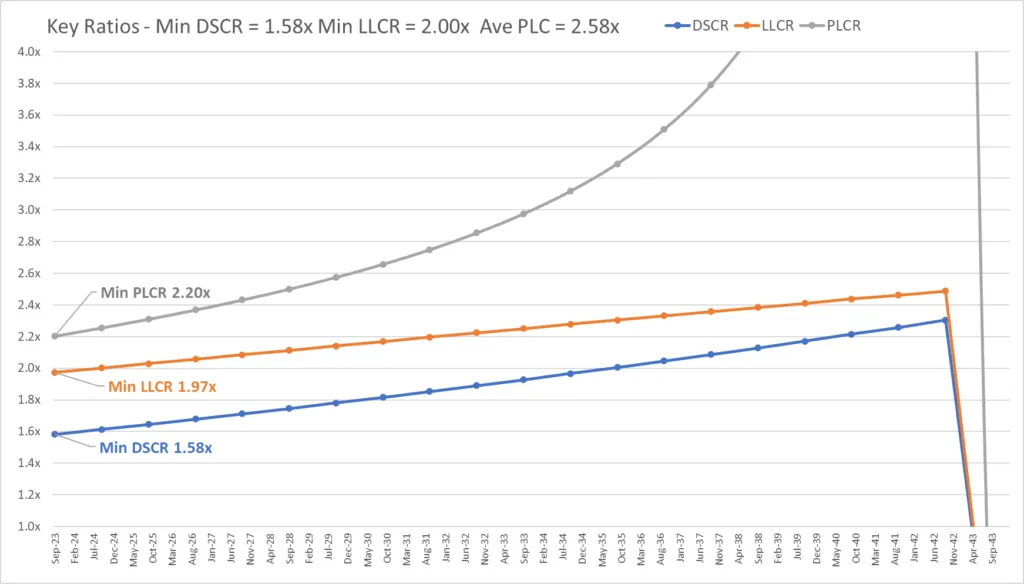
- Given the capital structure, are the ratios what we expect?
- Is the equity return (IRR and NPV) in line with equity expectations?
- Is the output structure/debt repayment schedule etc., realistic?
- Are the input assumptions realistic and defendable?
- Are macroeconomic assumptions reflective of the current environment?
4. Is the Financial Model Decision-Useful?
While I enjoy building financial models, at the end of the day, we are building models for a specific purpose. We, therefore, need to ask ourselves – do the financial model outputs enable a decision to be made? This decision may be:- Are we going ahead with this project?
- Is the project return reasonable, given the risk?
- Is the model bankable?
- Does the scenario analysis clearly show upsides and downsides and isolate the critical project drivers?
5. Have you Performed a Self-Service Financial Model Audit?
With financial model errors being well known (read here for more!), running your own audits and model checks is easy and crucial. I have profiled some self-service model audit tools on the blog before. Arixcel is one I love and have used for many years in my project finance modelling – I even interviewed the creator on the Financial Modelling Podcast and explained all the tool functionality here.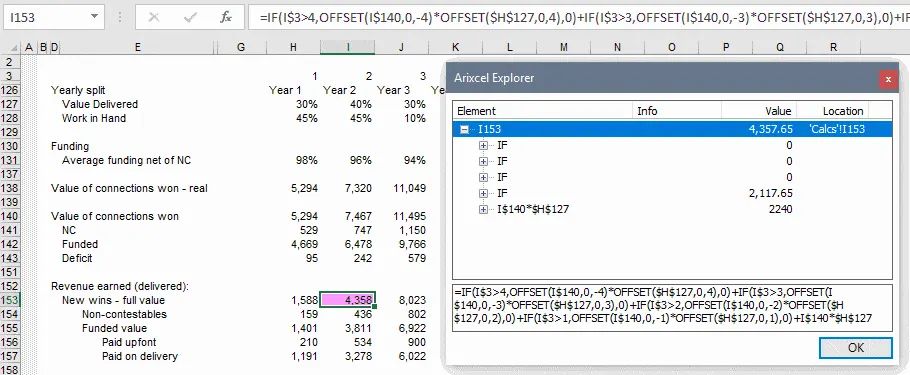
Bring in an Expert
Do you need project finance financial modelling advice? I love financial modelling and have built numerous bankable project finance deals from scratch. Over $5bn has been raised in debt and equity using financial models I’ve built. I offer tailored project finance financial modelling and advisory services to top financial advisors, banks, DFIs and project sponsors. I have advised on the following:- Ensuring the model is bankable
- How to minimise audit costs
- Best practice project finance modelling techniques
- How to ensure model outputs are decision-useful
- Aligning the financial model to legal agreements
- Using VBA to optimise the capital structure
- Transitioning a financial close model to an operational model
- Ensuring an operational model is of strategic value to sponsors