
What is Alternative Data?
There has been a big move recently into examining Alternative Data. This term strikes me as odd, as it's pretty tricky to define. For example, suppose you own a grocery store and want to become data-driven (don't discount the ability and benefit of small companies using data!). In that case, banking data could be considered Alternative Data, and vice versa. Although the term originated in the hedge fund and asset management space, I believe it has great potential for many companies to understand and even predict trends. This allows us to move out of the highly valuable but low lying descriptive phase of analytics.
The best description of Alternative Data may come from Amplyfi who states that "Alternative data is auxiliary financial information useful for making investment decisions away from official or corporate sources.".

Ripe for Opportunity - Data Ecosystems
Alternative data is an area ripe for opportunity for those with a creative mind. For example, there are many hidden predictors of the economy and economic growth. These could be pretty obvious ones such as the maize price, to less obvious ones such as job postings in various sectors. To assess the value of each dataset, one would need to land the data in a workspace, perform historical analysis and analysis against different datasets and analyse which could be predictor variables.
One advantage I've found in obtaining and exploring Alternative Data is that the data owners are typically non-competitive companies. Another advantage of Alternative Data is its timeliness. Alternative Data can be obtained on a near real-time basis with the right technology, providing a financial institution with many nowcasting and forecasting opportunities, especially if the Alternative Data is of a predictive nature (i.e. imports as opposed to sales).

Advantages and Disadvantages of Alternative Data
If I had to categorise the advantages of Alternative Data into three significant sections they would be:
- Alternative data is becoming more available, especially as companies start monetising their datasets and allowing for external parties to purchase the data.
- Alternative data is typically more timely than other data sources and can therefore be better used to nowcast and even forecast economic trends.
- Alternative Data can provide the much-needed edge for financial firms where many competitors might have similar internal data sources.
There are three main downsides to Alternative Data:
- Downside one is that Alternative Data may be open to many banks and therefore may not be proprietary.
- Downside two is that the bank relies on an external vendor to ensure the data is clean, accurate and complete.
- Downside three is that Alternative Data may come at a cost. Therefore it may be necessary to run Proof of Concept models and solutions to determine the Cost-Benefit of acquiring the data.
Examples of Alternative Data in Finance
Examples of Alternative Data used effectively in banking and asset management are:
- Hedge funds tracking private jet data to predict M&A deals in the pharmaceutical space. More information on this use case can be found here.
- Companies using credit card data to nowcast fast-moving consumer behaviour changes during the Coronavirus pandemic, such as the Opportunity Insights Economic Tracker.
- And for a non-finance use case, property developers utilising traffic data to plan new shopping centres and developments.
A regulatory workaround
A final advantage of alternative data is that alternative data can often be used in lieu of data that cannot be used for regulatory or ethical reasons. Alternative data that is highly correlated with data that may not be used can allow for data-driven decisions to be made where there otherwise might be a vacuum of information.
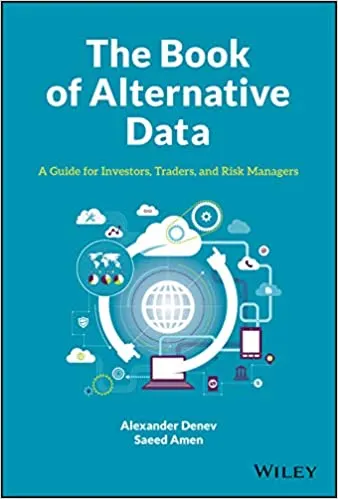
If you'd like to read more about Alternative Data, I've found the book "The Book of Alternative Data: A Guide for Investors, Traders and Risk Managers" to be highly informative.

A little known fact about alternative data is that it isn't new! The first recorded use of alternative data goes back to 1815 when news of the British victory at Waterloo was known to the family two days ahead of the British government being told. The Rothschilds utilised this data in their investment strategy.
I find sourcing, analysing and visualising Alternative Data a lot of fun, and hope you will as well!
Matthew