
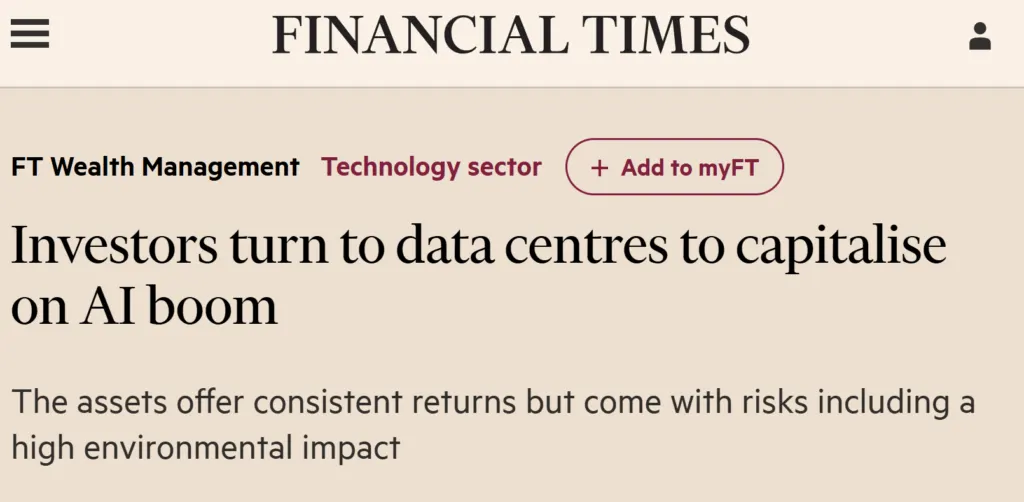
As the digital economy expands, data centres have become the backbone of everything from cloud storage and AI to streaming and remote work capabilities. They are essential infrastructure, demanding significant capital investment and operational costs. For many financial modellers and investment professionals, understanding how these data centres are financed is crucial, given their rising importance and the capital intensity of these projects.
This article explores the financial models underpinning data centre financing, key metrics for evaluating investment viability, and the strategies investors and operators use to manage and optimise these high-stakes ventures.
The Capital Intensity of Data Centres
Data centres are costly to build, maintain, and expand. The price tag can range from millions to billions of dollars, depending on the scale, location, and technological requirements. The main factors affecting the price tag are:
- Real Estate: Data centres require vast tracts of land, often in urban or strategically connected areas.
- Infrastructure and Equipment: High-performance servers, cooling systems, network infrastructure, and power supply systems drive the cost.
- Energy and Cooling: Operating costs are substantial, with energy efficiency being a key consideration for profitability. As a former electrical engineer, I've seen just some of the amazing work that is done to optimise energy usage of these high consumption utilities.
- Maintenance and Security: Physical and cybersecurity are critical, as data centres must protect sensitive data 24/7.
For investors, these upfront costs are a key factor in assessing the feasibility and potential returns on data centre investments. The chosen financing model can significantly impact these capital-heavy assets' operational viability and profitability.
Common Financing Models for Data Centres
Equity Financing
- Structure: Direct ownership or partnership investments by private equity firms, infrastructure funds, or large technology companies. Infrastructure funds are well placed to structure these deals and understand the allocation of risks.
- Advantages: Equity financing offers operational flexibility, as the owners control decision-making.
- Challenges: Equity holders bear more risk, given the high upfront costs and the time required to achieve returns.
- Application: Tech giants like Amazon, Google, and Microsoft often fund their own data centres through internal capital or partnerships, as control over data infrastructure is strategically critical to their operations.
Debt Financing
- Structure: Loans from banks, issuance of bonds, or other debt instruments, with data centre assets often used as collateral.
- Advantages: Debt financing can offer tax advantages, and it allows operators to preserve cash flow for operational needs.
- Challenges: High leverage can strain cash flow, especially if demand for data centre capacity doesn’t grow as projected. Additionally, debt financing usually entails strict repayment schedules and covenants.
- Application: Established players with predictable cash flows may use debt financing to expand existing facilities or acquire new sites.
Project Finance (my favourite form of finance and financial modelling!)
- Structure: Limited-recourse financing where lenders and investors fund the project based on expected cash flows rather than relying solely on the parent company's balance sheet.
- Advantages: Project finance isolates risks to the data centre itself, protecting the parent company’s assets. It’s also attractive for public-private partnerships (PPPs), especially in emerging markets.
- Challenges: This model requires comprehensive financial modelling to accurately predict cash flows and ensure the project meets debt obligations. Better subscribe to the Financial Modelling Podcast!
- Application: Used by infrastructure-focused funds or entities where data centres are leased to multiple clients, such as colocation data centres that cater to various businesses.
Sale and Leaseback
- Structure: The data centre owner sells the asset to an investor and then leases it back, freeing up capital while retaining operational control.
- Advantages: Provides immediate liquidity, which can be reinvested into expanding operations or upgrading infrastructure.
- Challenges: Relinquishing ownership might reduce operational flexibility, and lease payments can become a fixed cost burden.
- Application: Real estate investment trusts (REITs) are prominent players in this model, especially digital REITs that focus solely on data centre assets, like Digital Realty and Equinix.
Key Metrics for Data Centre Financial Modelling
For investment professionals, evaluating the financial health and potential returns of a data centre involves several key metrics:
- Power Usage Effectiveness (PUE): Measures the ratio of total power consumed by the facility to the power used by the IT equipment. Lower PUE indicates higher efficiency, translating to lower operating costs.
- Return on Investment (ROI): Given the high upfront costs, calculating ROI is essential for understanding the payback period and profitability of the investment.
- Net Present Value (NPV) and Internal Rate of Return (IRR) are crucial for determining the project’s viability, especially in project finance models. A positive NPV and a high IRR indicate that the data centre will generate value over its lifecycle.
- Capacity Utilisation: Maximising occupancy rates in colocation data centres is crucial for revenue. Higher utilisation equates to better economies of scale and higher profitability.
- Lease Commitments and Customer Contracts: Long-term customer contracts ensure stable cash flows for colocation facilities. The lease length and payment terms are pivotal in reducing financial risk.
Trends Shaping Data Centre Financing

- Sustainability and Green Financing: Investors are increasingly conscious of sustainability, pushing data centres to adopt green energy and energy-efficient practices. Green bonds and sustainability-linked loans are becoming popular, rewarding companies for meeting environmental targets.
- Public-Private Partnerships (PPPs): To expand data infrastructure in underserved areas, governments collaborate with private investors to develop data centres, often under project finance models. This trend is prominent in Southeast Asia, the Middle East, and Africa, where demand is growing but capital is limited.
- Hyperscale Data Centres: Large tech companies are building hyperscale data centres that can support massive computational workloads for AI, big data, and cloud services. These projects require significant capital and often involve private equity and debt financing to manage risk and preserve cash flow.
- Digital REITs and Infrastructure Funds: With the increasing demand for data centres, REITs that specialise in data centres have emerged, offering investors a way to gain exposure to this asset class. Infrastructure funds are also capitalising on the long-term revenue potential of data centres, given their critical role in the digital economy.
Conclusion: The Future of Data Centre Financing
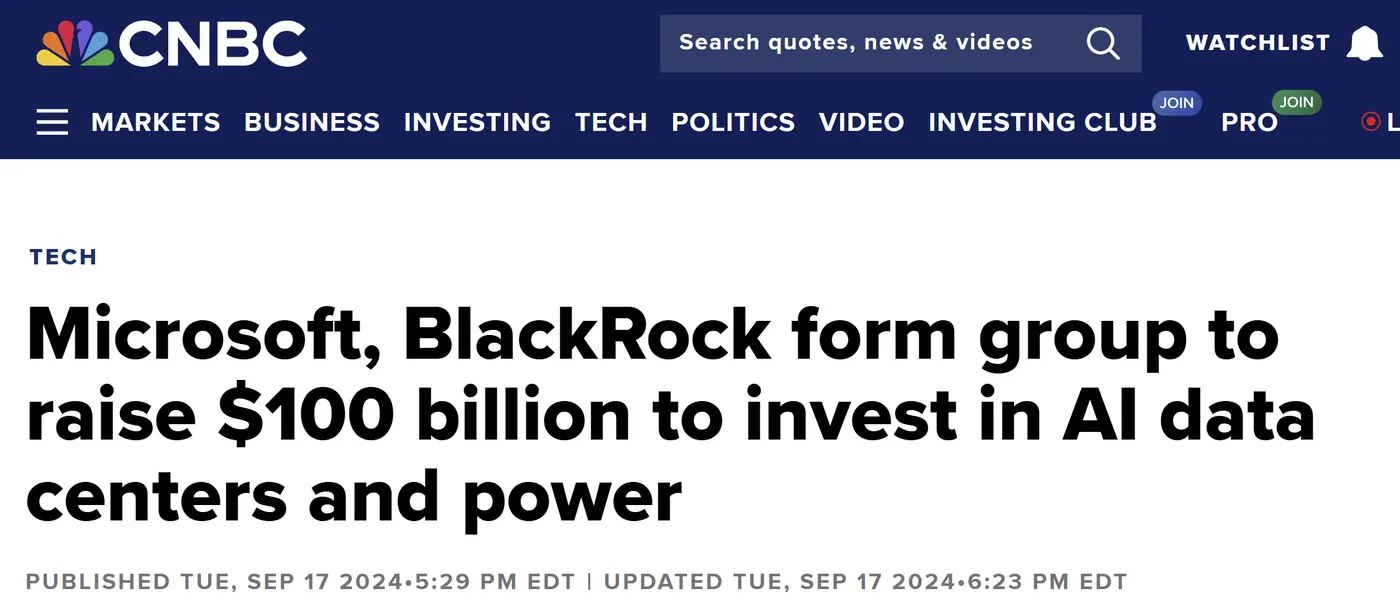
The surge in data centre investments by tech giants like Microsoft, Amazon, Google, and Meta underscores just how central these facilities have become to the AI-driven future. Capital commitment is astronomical for companies aiming to dominate the AI landscape. Microsoft’s $64 billion investment over the past year highlights this reality, with CFO Amy Hood balancing aggressive AI infrastructure expansion with strict financial discipline. Hood’s focus on data centres reflects the strategic imperative to build capacity quickly, as Microsoft’s AI growth is limited not by demand, but by the pace of infrastructure development.
However, with investor anxieties around the sustainability of this spending, companies like Microsoft must deliver clear, measurable value from these investments. The burden is on Microsoft and its peers to prove that data centres are not just high-cost assets but critical enablers of scalable, profitable AI applications. As companies strive to demonstrate this value, financial modelling and careful capital allocation will remain essential for turning data centres into sustainable pillars of the digital economy. For investors, understanding the financial models and returns underpinning these infrastructure builds will be crucial as they assess the future of AI and data centre investments.